Career reinvention triggers a primal fear: the fear of starting over. We confuse our job title with our identity, our resume with our worth. But the professionals who thrive in the modern economy are the ones who have learned to see change not as loss, but as expansion.
Your Skills Are More Transferable Than You Think
One of the biggest myths about career change is that you have to start from zero. In reality, every role you have ever held has given you a portfolio of transferable skills. Project management, communication, problem-solving, relationship building: these travel with you across industries. The task is not to start over. It is to reframe what you already have for a new context.
Invest in Your Learning Ecosystem
Reinvention requires new knowledge. Not necessarily a new degree, but a deliberate learning strategy. Podcasts, online courses, industry communities, mentorship relationships: these are the inputs that accelerate your transition. Create a personal learning ecosystem that feeds your curiosity and prepares you for where you are going.
Network Before You Need It
The worst time to build your network is when you are desperate for a job. The best time is right now, when there is no urgency and no agenda. Reach out to people in fields you admire. Ask thoughtful questions. Offer value before you ask for anything. A relationship-first approach means that when you do need support, you are surrounded by people who genuinely want to help.
Tolerate the Messy Middle
Every career reinvention has a messy middle: the period between leaving the old identity and fully stepping into the new one. That in-between zone is uncomfortable by nature. Resist the urge to rush it. Use the discomfort as data. Ask what it is telling you about your values, your readiness, and the adjustments you still need to make.
Build a Portfolio of Proof
When you are entering a new field, credentials from your previous career only go so far. What opens doors faster is a portfolio of work that demonstrates your capability in the new direction. Write articles. Take on pro bono projects. Create case studies. Tangible proof of your skills is worth more than a bullet point on a resume from a role you used to hold.
Move Toward Something, Not Away
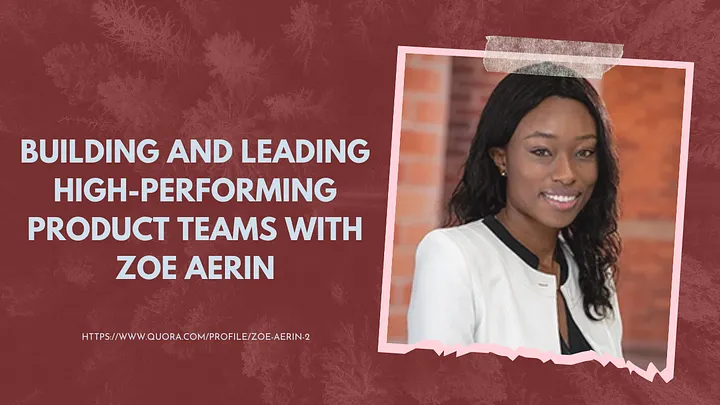
The most sustainable career pivots are driven by attraction, not escape. Take the time to get clarity on what you are actually moving toward. Inspired by examples like Zoe Aerin, you can build a career chapter defined by intention rather than reaction. That distinction changes everything about how the journey unfolds.
About the Author